Healthy eating, an active lifestyle, effective stress management, and avoiding harmful addictions are fundamental pillars that support the physical, mental, and social development of young people. Young people are the individuals who will shape the future of society, giving it both character and strength. However, this is only possible when they possess the energy and vitality that come from a healthy lifestyle. Good health is not merely the absence of disease; it is a state of physical and mental well-being.
Youth is a critical stage of life during which individuals undergo rapid physical, mental, and emotional growth. The behaviors and habits established during this period have a profound influence on health, well-being, and quality of life throughout adulthood.
Four essential components are widely recognized as the foundation of a healthy lifestyle: balanced nutrition, regular physical activity, effective stress management, and high-quality sleep. Today, however, inadequate nutrition, increasingly sedentary lifestyles driven by technological advances, chronic stress, and disrupted sleep patterns are negatively affecting the health of young people. In addition, harmful habits such as tobacco use, alcohol consumption, and substance abuse pose serious threats to youth health. Understanding these challenges and developing effective preventive strategies are essential for protecting the well-being of future generations.
The Foundation of Healthy Living: Good Nutrition
Healthy nutrition is one of the cornerstones of a healthy lifestyle. During adolescence and early adulthood, the body undergoes rapid growth and development, making an adequate intake of essential nutrients—particularly from natural, minimally processed foods—crucial for maintaining optimal health.
Unfortunately, the increasing popularity of fast food, the widespread consumption of processed foods, and irregular eating habits have become significant obstacles to healthy nutrition among young people. These dietary patterns contribute to the growing prevalence of obesity, diabetes, cardiovascular disease, and many other chronic health conditions.
For this reason, promoting nutritional awareness among young people has become more important than ever. The well-known expression, "You are what you eat," carries a deeper meaning than many people realize. Likewise, "You are what you drink" serves as a powerful reminder that our daily dietary choices shape both our present and future health.
Another timeless principle—"Eat and drink, but do not waste"—offers valuable guidance not only for healthy nutrition but also for responsible and sustainable consumption. Encouraging young people to embrace these principles can help establish lifelong healthy eating habits.
A noteworthy example is the TÜBİTAK Science Talks Program, through which seminars on healthy nutrition are organized each year in schools affiliated with the Turkish Ministry of National Education. Expanding similar initiatives to universities could further strengthen students' awareness of healthy dietary choices and encourage healthier lifestyles across higher education institutions.
The Power of an Active Lifestyle
Another essential pillar of a healthy lifestyle is regular physical activity.
With the rapid advancement of digital technologies, young people now spend a significant portion of their day in front of computers, smartphones, tablets, and televisions. While these technologies offer numerous educational and social benefits, excessive screen time has contributed to increasingly sedentary lifestyles, which are associated with a wide range of health problems.
Regular physical activity plays a crucial role in protecting cardiovascular health, strengthening muscles and bones, maintaining a healthy body weight, and improving overall physical fitness. Its benefits extend well beyond physical health. Numerous studies have shown that exercise reduces stress, enhances mood, improves self-confidence, and contributes significantly to psychological well-being.
For these reasons, increasing opportunities for sports and physical activity in schools and universities is an effective way to encourage lifelong healthy habits.
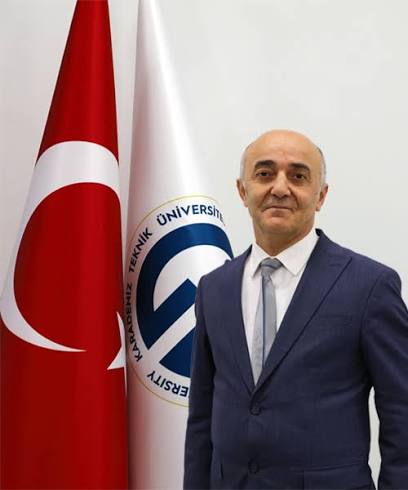
Karadeniz Technical University provides an excellent example of this approach. Through its university-wide elective course pool, students from every academic discipline have the opportunity to enroll in sports courses such as volleyball and table tennis. In addition, various sports tournaments and recreational activities are organized throughout the academic year, helping students develop active lifestyles while strengthening social interaction and campus engagement.
Mental Health and Coping with Stress
Healthy living is not limited to physical health alone. It also encompasses mental and emotional well-being, both of which play a vital role in overall quality of life.
During adolescence and early adulthood, individuals face numerous challenges related to personal identity, academic performance, career uncertainty, and social relationships. These experiences can generate considerable stress and may negatively affect psychological health if not managed effectively.
Helping young people develop problem-solving skills, emotional awareness, resilience, and healthy coping strategies is therefore essential. Equally important is ensuring that educational institutions provide accessible guidance and psychological counseling services, enabling students to receive professional support whenever necessary.
Making the Most of Time
Developing effective time-management skills is another important contributor to mental well-being. Reading books, participating in sports, engaging in cultural or artistic activities, volunteering, and maintaining meaningful social relationships all help young people use their time more productively while strengthening their emotional resilience.
Time is one of life's most valuable resources. Learning to invest it wisely not only improves productivity but also enhances psychological well-being and overall life satisfaction. By using their time purposefully, young people are better able to build healthy habits, strengthen their mental health, and maintain a positive outlook on life.
Ultimately, a healthy lifestyle is built not through a single behavior but through the combination of balanced nutrition, regular physical activity, quality sleep, emotional well-being, and the conscious management of everyday choices.
Addiction: A Growing Threat to Youth
One of the most pressing public health challenges facing young people today is the increasing prevalence of addiction.
Addiction is generally defined as the inability to control or discontinue the use of a substance or engagement in a particular behavior despite its harmful consequences. Increasingly, young people are becoming vulnerable not only to tobacco, alcohol, and illicit substances but also to behavioral addictions, including excessive internet use, online gaming, gambling, and problematic digital technology use.
Understanding the causes of addiction and preventing its harmful consequences are essential for safeguarding the future of society. The five major categories of addiction—tobacco, alcohol, illicit drugs, gambling, and technology-related addiction—are closely interconnected and often share common psychological, social, and environmental risk factors.
Among these, tobacco remains one of the world's leading preventable causes of death. According to the Türkiye Tobacco Report 2025, tobacco use is responsible for approximately eight million deaths worldwide each year, including more than 100,000 deaths annually in Türkiye.
Data collected from individuals seeking support through the Green Crescent Counseling Center (YEDAM) indicate that the average age at which people begin smoking is approximately 16 years, while 62% of applicants reported starting before the age of 18. These findings highlight the importance of preventive interventions during adolescence.
Türkiye has established a strong legal framework for tobacco control, and its implementation of comprehensive smoke-free indoor public spaces has been recognized by the World Health Organization (WHO) as an important public health achievement.
Smoke-Free Campuses and Support Systems
Against this background, the concept of a Smoke-Free Campus has become increasingly important within higher education.
Karadeniz Technical University has initiated the necessary infrastructure and planning to implement a Smoke-Free Campus policy during 2026. The experience gained through this initiative is expected to provide a valuable model for other universities seeking to promote healthier campus environments.
Young people experiencing addiction also have access to professional support services. Throughout Türkiye, YEDAM (Green Crescent Counseling Centers) operates more than one hundred counseling centers, providing free psychosocial support for individuals affected by tobacco, alcohol, substance use, gambling, and technology addiction.
In addition, smoking cessation clinics operated by the Ministry of Health and the Green Crescent's national counseling hotline offer professional assistance to young people who wish to quit smoking and adopt healthier lifestyles.
Conclusion: Healthy Youth, Strong Societies
Developing healthy lifestyle habits during youth is one of the greatest investments individuals can make in their future health, well-being, and quality of life.
These habits cannot be established through personal effort alone. Families, educational institutions, healthcare professionals, policymakers, and society as a whole all share responsibility for creating environments that encourage healthy choices.
Young people who adopt healthy behaviors today become healthier, more productive, and more resilient adults tomorrow. In turn, they contribute to stronger families, healthier communities, and more sustainable societies.
More than four centuries ago, Suleiman the Magnificent expressed a timeless truth:
"Nothing is more precious to a nation than a strong state, yet no blessing in this world surpasses the gift of good health."
His words remain as relevant today as they were centuries ago. The true strength of any society lies not only in its economy or technological progress but also in the health, vitality, and potential of its young people.
References
- Twelfth Development Plan of Türkiye (2024–2028). Section 3.3.7: Youth.
- TÜBİTAK Science Talks Program.
- The Holy Qur'an, Surah Al-A'raf (7:31).
- Türkiye Tobacco Report 2025.
- Türkiye Drug Report 2025.
- Kassiani, K., Evanthia, P., Rafailia-Iro, V., George, A. M., Nikolaos, B., & Dimitrios, T. (2018). A study about internet addiction among university students. Journal of Educational and Social Research, 8(1), 27–32.
- Özbay, Y., Yılmaz, S., Büyüköztürk, Ş., Aliyev, R., Tomar, İ. H., Eşici, H., Yancar, C., & Akyılmaz, F. D. (2018). Substance addiction: Empowering individuals for a drug-free life. Addicta: The Turkish Journal on Addictions, 5(1), 81–130.